Planning & Permissions
Navigate UK planning law, permitted development rights, and the caravan classification — your complete legal roadmap to building a tiny house.
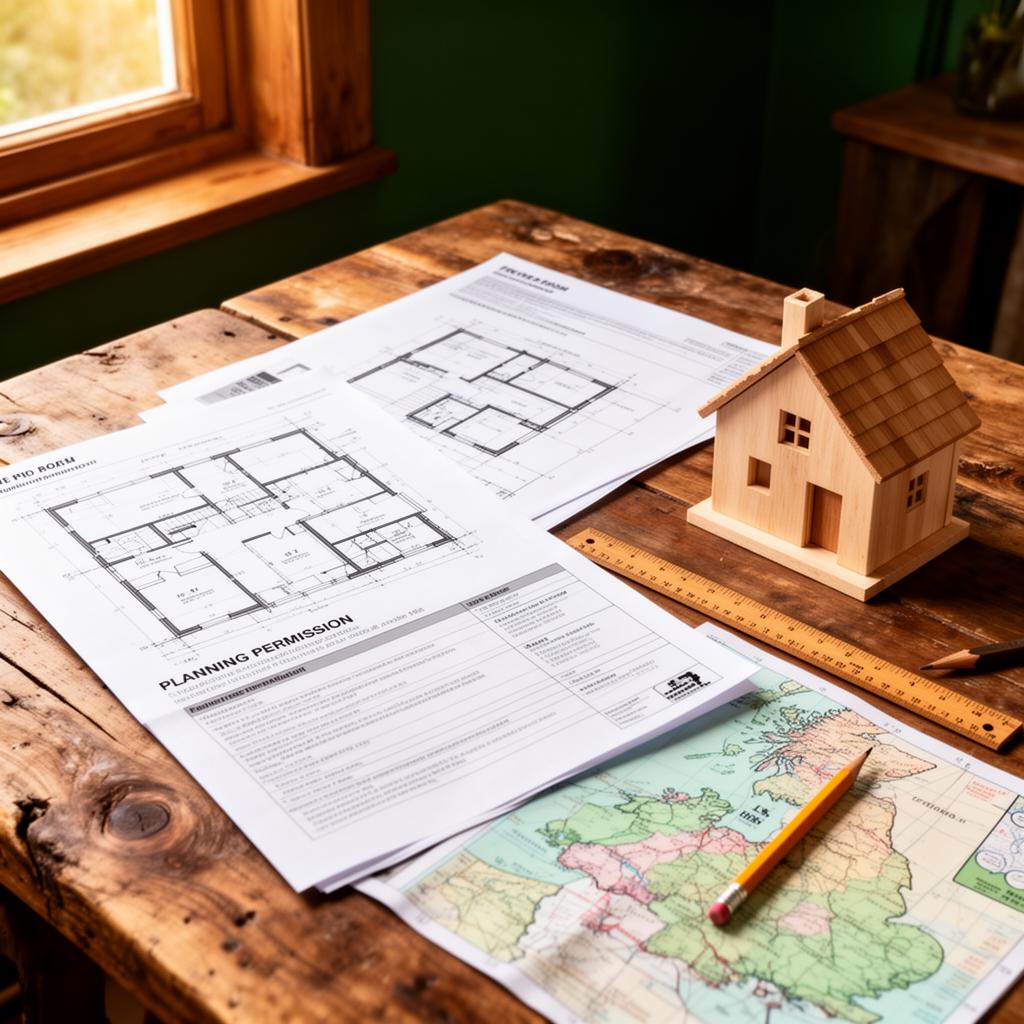
Four Pillars of Tiny House Law
Understanding these four areas is essential before you start your build.
Planning Permission
Required for permanent structures; applications go through your Local Planning Authority (LPA).
Permitted Development
Some outbuildings and ancillary structures may not need full planning permission under PD rights.
Caravan Classification
A mobile tiny house can legally be classed as a caravan if it meets the 1968 Act size limits.
Building Regulations
Even without planning permission, building control approval may still be required for permanent dwellings.
Do You Need Planning Permission?
In England and Wales, the Town and Country Planning Act 1990 governs almost all development. Here's what you need to know.
The Caravan Classification
Under the Caravan Sites and Control of Development Act 1960 and the Caravan Sites Act 1968, a structure can be legally classed as a caravan — which has significant implications for your tiny house.
Legal Definition of a Caravan
Under the 1968 Act, a "caravan" is any structure designed or adapted for human habitation which is capable of being moved from one place to another (whether by being towed or transported on a vehicle). Twin-unit caravans are permitted provided:
Max Length
20 metres (65.6 ft)
Max Width
6.8 metres (22.3 ft)
Max Internal Height
3.05 metres (10 ft)
Advantages of Caravan Classification
- No planning permission for the structure itself — the caravan is considered movable property, not a building.
- Exempt from Building Regulations — caravans fall outside the scope of the Building Act 1984.
- Potentially exempt from Council Tax — depending on local authority interpretation and whether it's your primary residence.
- However: You still need permission to site a caravan for residential use. This means a Certificate of Lawfulness or planning permission for the change of use of the land.
Building Regulations
Even if you have planning permission, your tiny house may also need to comply with Building Regulations — a separate legal requirement covering structural safety, fire, insulation, ventilation, and drainage.
Tips for Success
Real-world advice from people who've navigated the UK planning system.
Talk to your LPA early
A pre-application meeting (£100–£600) can save you thousands. Get informal feedback on your site and design before committing to a full application.
Choose the right land
Agricultural land, Green Belt, AONB, and Conservation Areas have extra restrictions. Brownfield or residential garden land is usually the easiest path.
Consider the caravan route
If you build to the 1968 Act dimensions on a trailer chassis, you avoid Building Regs entirely. You'll still need a site licence or planning permission for the land use.
Get a planning consultant
A good planning consultant (£500–£2,000) can draft your Design and Access Statement, handle objections, and significantly improve your chances of approval.
Know your appeal rights
If refused, you can appeal to the Planning Inspectorate within 6 months. Around a third of appeals succeed, so don't give up at the first refusal.
Document everything
Keep written records of all conversations with your LPA. If you later need to prove established use or challenge a decision, documentation is your best friend.
Important Disclaimer
This guide is for general information only and does not constitute legal advice. Planning law varies across England, Wales, Scotland, and Northern Ireland — and individual council policies differ significantly. Always consult a qualified planning consultant or solicitor before making decisions about your build. Laws and fees referenced are current as of 2024 and may change.
Recommended Further Reading
Essential planning guides and reference books for tiny house builders.
 Featured
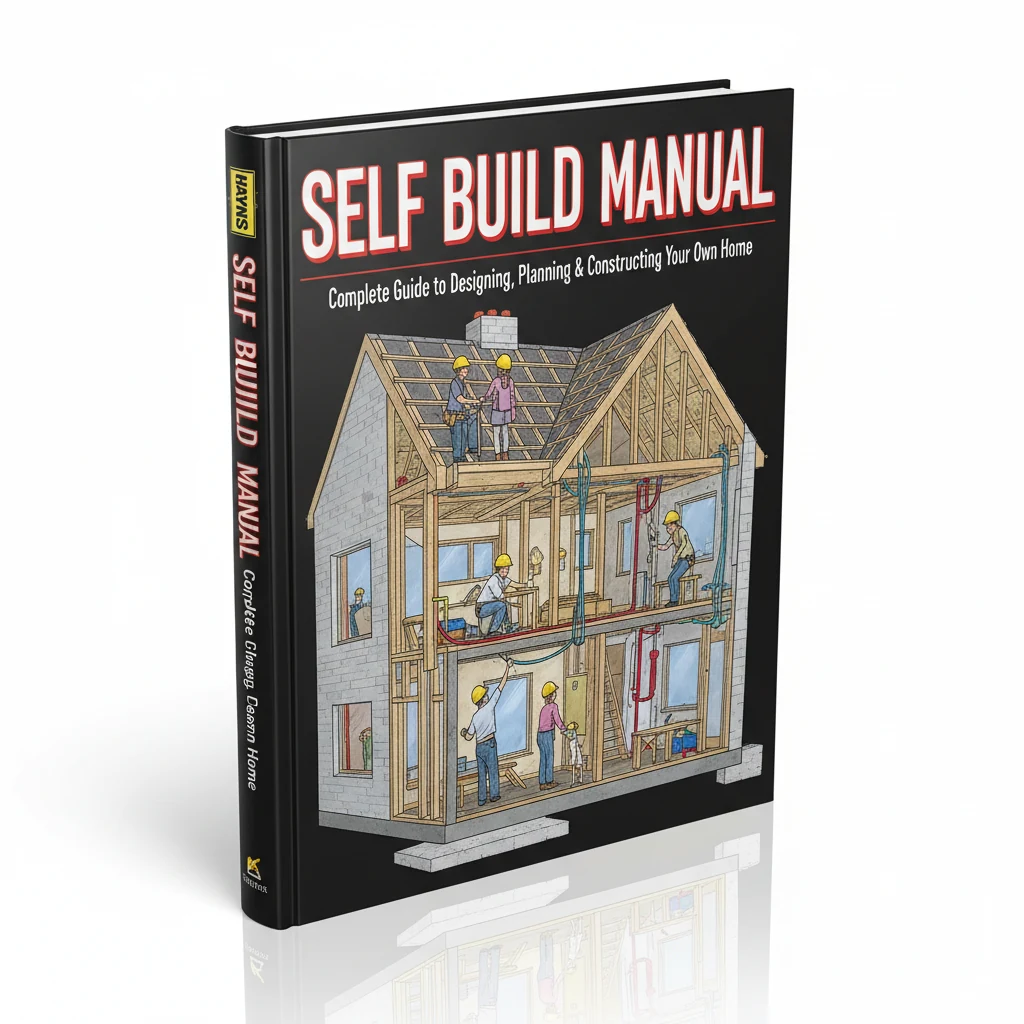
Haynes Self-Build Manual — Ian Rock
The bible for UK self-builders — covers planning, foundations, structure, services, and Building Regs in plain English. Essential for any UK tiny house project on a foundation.
View on Amazon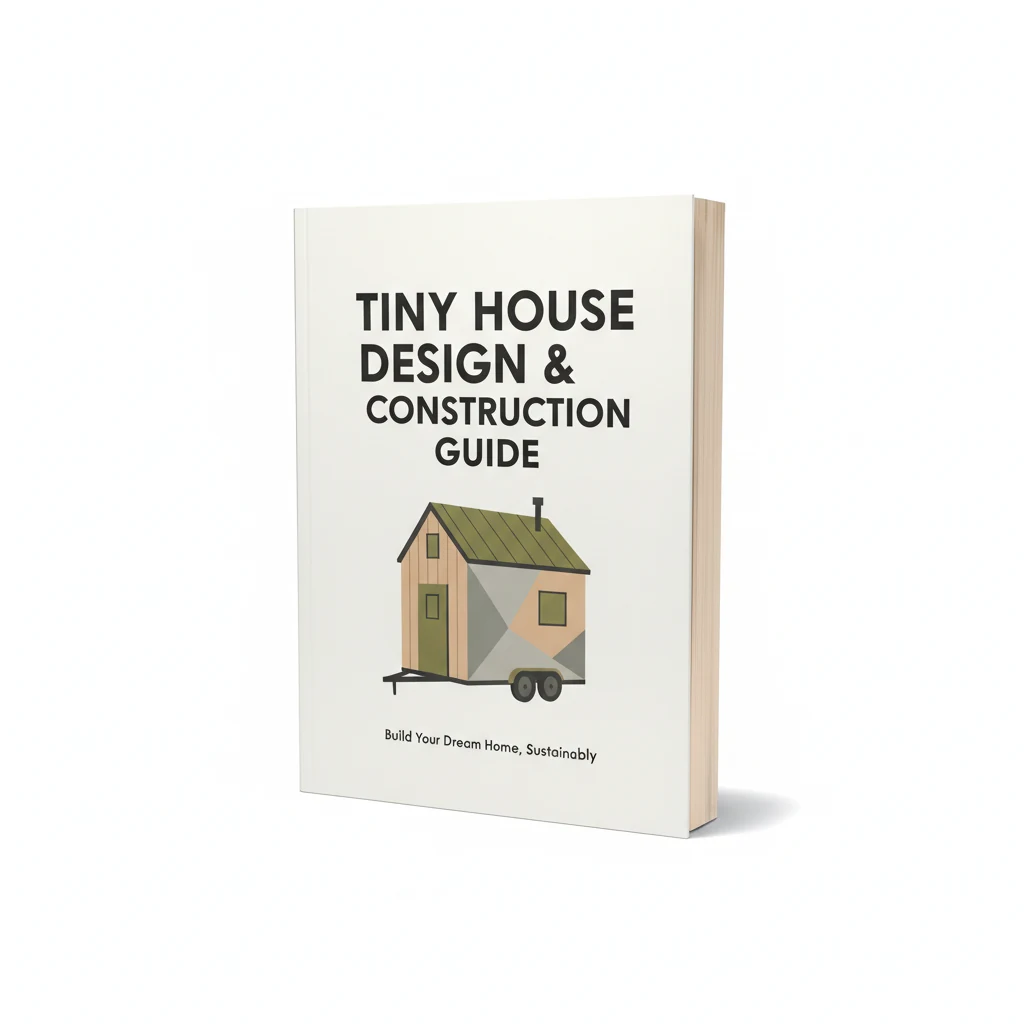
Tiny House Design & Construction Guide — Dan Louche
The definitive step-by-step technical manual: trailer prep, framing on a chassis, weatherproofing, systems. The book most builders start with.
View on Amazon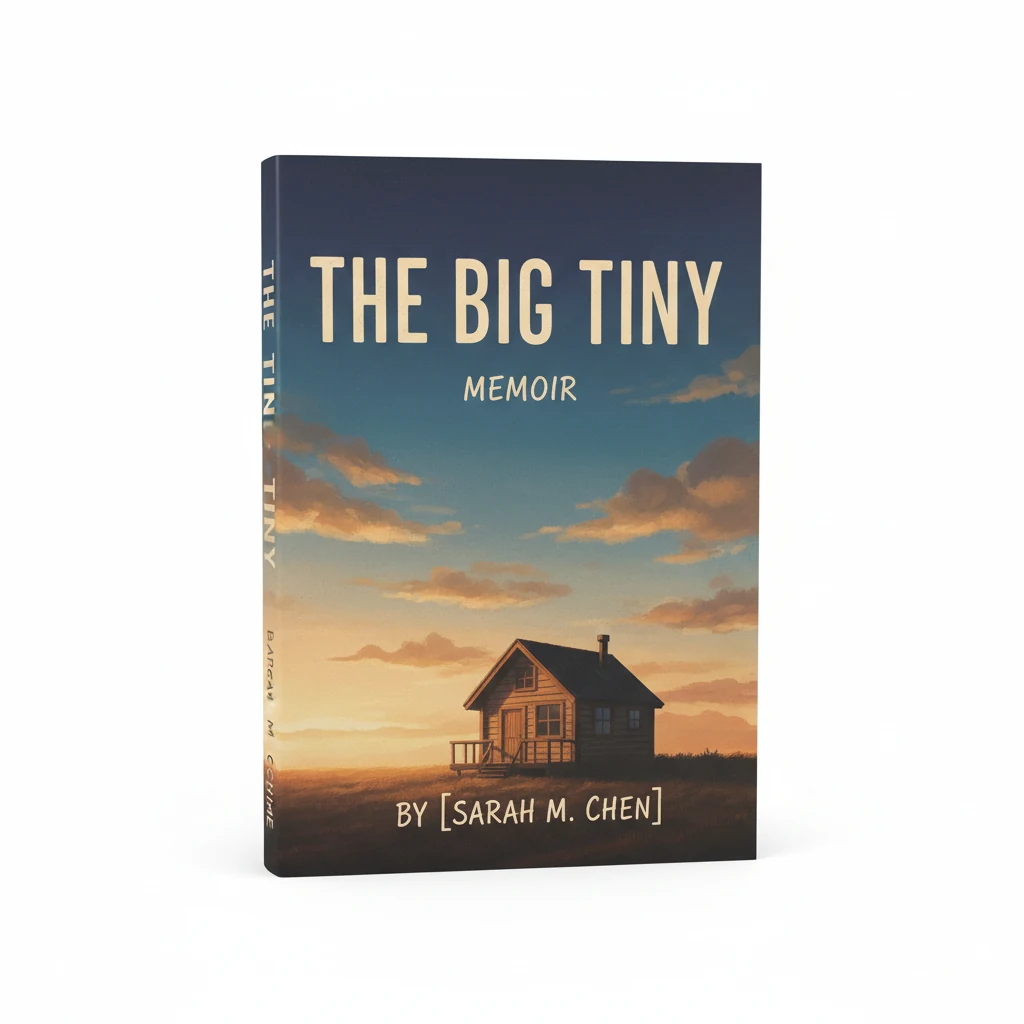
The Big Tiny — Dee Williams
The memoir that started a movement: Dee Williams's story of building and living in an 84 sq ft house. Inspirational reading before you commit.
View on Amazon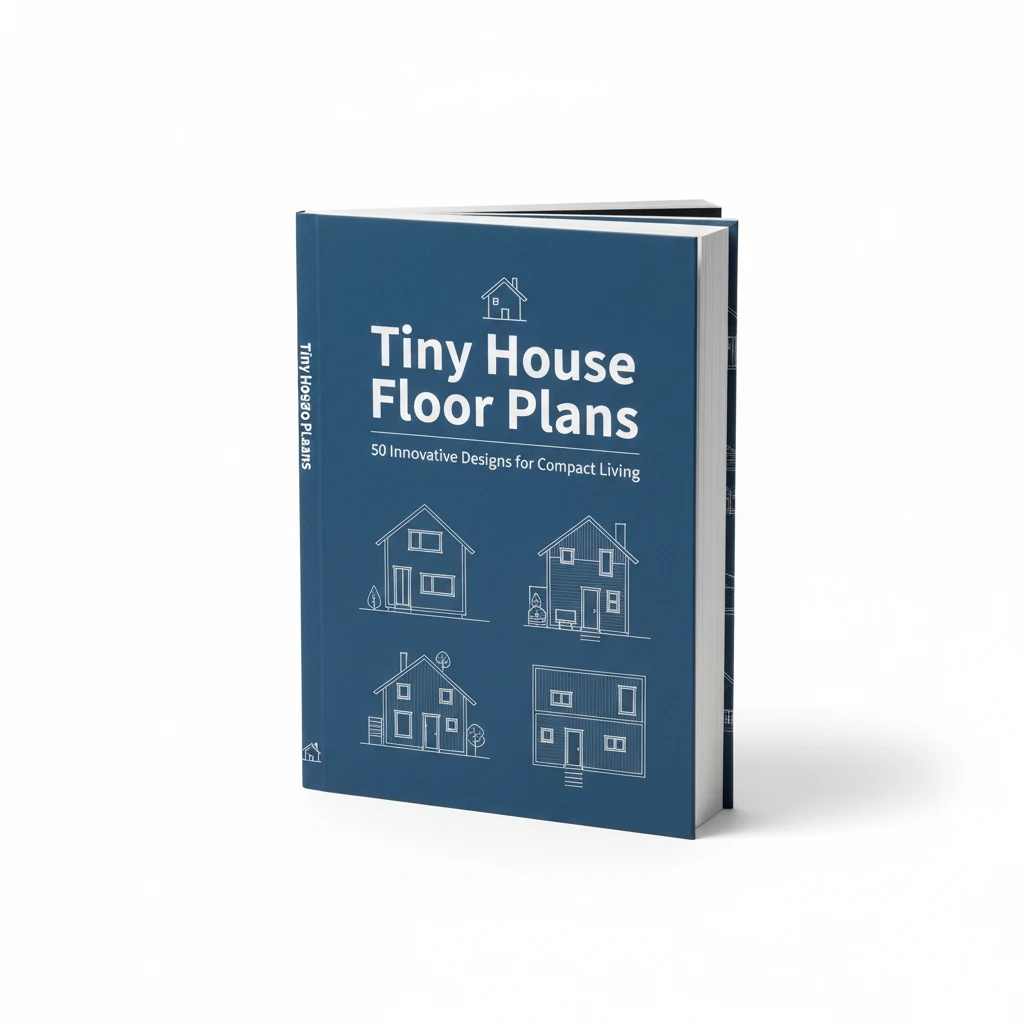
Tiny House Floor Plans — Michael Janzen
Over 200 interior design ideas with floor plans from 12sqft to 800sqft. Brilliant inspiration for tiny house layout decisions.
View on Amazon