Materials & Insulation
PIR, sheep's wool, wood fibre and more — compare insulation types, cladding, and roofing materials optimised for UK climates.
Why UK Climate Matters
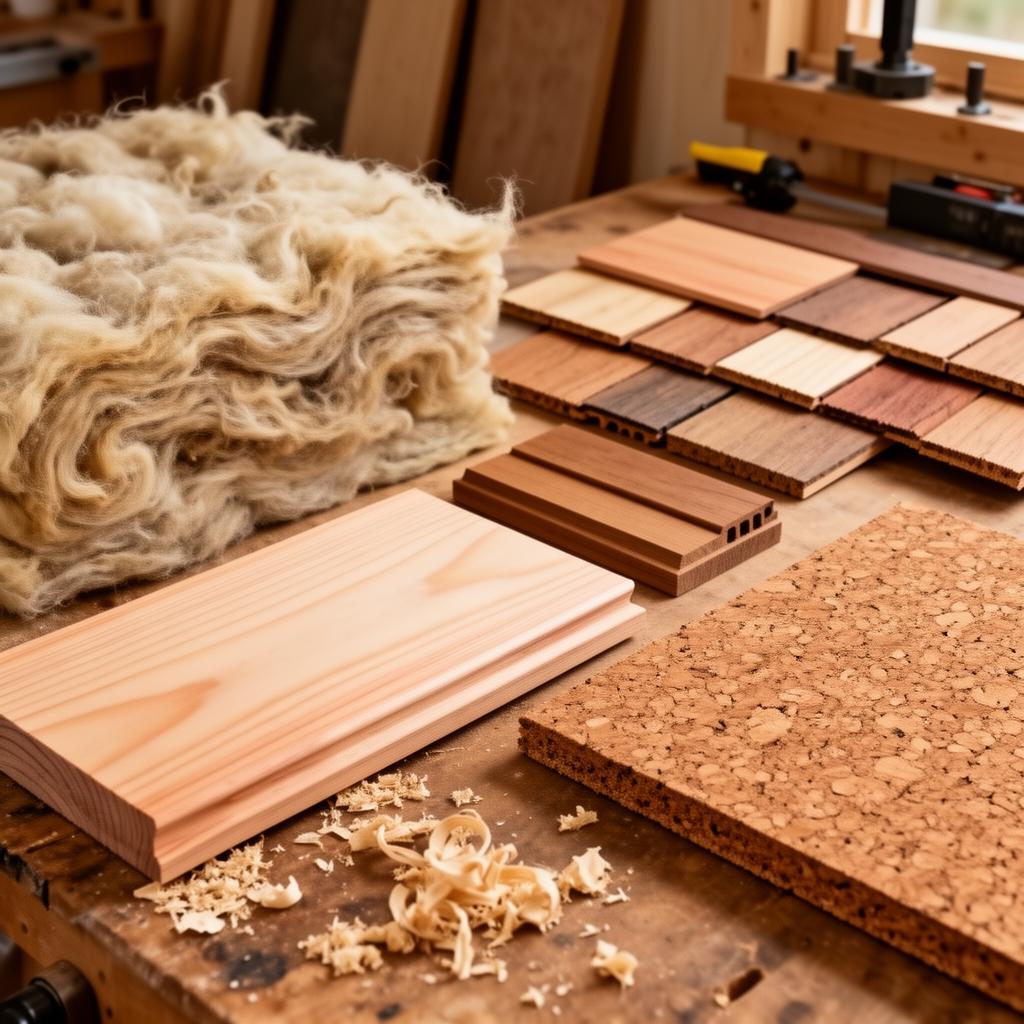
The UK's mild, damp maritime climate creates unique challenges for tiny house builders. Average relative humidity is 80–90%, rainfall is frequent, and temperature swings between 0°C and 30°C mean your wall build-up must handle moisture vapour movement in both directions.
A breathable wall construction — where moisture can pass through the wall assembly and evaporate from the exterior — is widely considered the gold standard for UK builds. Non-breathable systems (PIR + VCL) work well if the vapour barrier is installed perfectly, but any failure traps moisture inside the wall.
Insulation Compared
Five popular insulation types side-by-side. Thermal conductivity, cost, moisture handling, and eco credentials.
| Material | λ (W/mK) | Depth | Cost /m² | Breathable | Fire | Eco |
|---|---|---|---|---|---|---|
| PIR Rigid Board (Celotex / Kingspan) | 0.022 W/mK | 75–100mm | £12–£20 | Class 1 (foil-faced) | Poor | |
| Sheep's Wool | 0.035–0.040 W/mK | 100–150mm | £15–£28 | Naturally flame-retardant | Excellent | |
| Wood Fibre Board | 0.038–0.043 W/mK | 100–160mm | £18–£35 | Class E (combustible) | Excellent | |
| Mineral Wool (Rockwool / Glass Wool) | 0.032–0.040 W/mK | 100–150mm | £5–£12 | A1 (non-combustible) | Moderate | |
| Spray Foam (Open-Cell / Closed-Cell) | 0.025–0.035 W/mK | 75–100mm | £20–£40 (installed) | Class 1–2 depending on product. Must be covered with a thermal barrier (plasterboard). | Poor |
PIR Rigid Board (Celotex / Kingspan)
Poor0.022 W/mK
75–100mm
£12–£20
No
Best for: Maximum thermal performance in minimum depth. THOW where weight and space matter.
Moisture: Closed-cell — does not absorb water. Requires VCL on warm side.
Fire: Class 1 (foil-faced) — self-extinguishing but produces toxic fumes
Pros
- ✓ Best thermal performance per mm of any common insulation
- ✓ Lightweight and easy to cut to friction-fit between studs
- ✓ Closed-cell structure won't absorb moisture
- ✓ Widely available at every builders' merchant
Cons
- ✗ Not breathable — moisture can become trapped if VCL fails
- ✗ Petrochemical-based (polyisocyanurate foam)
- ✗ Produces toxic fumes if it catches fire
- ✗ Difficult to achieve perfect seal — gaps are common at stud edges
Sheep's Wool
Excellent0.035–0.040 W/mK
100–150mm
£15–£28
Yes
Best for: UK damp climates. Builders who want a breathable, natural wall build-up.
Moisture: Excellent — absorbs and releases up to 35% of its weight in moisture without losing performance.
Fire: Naturally flame-retardant — self-extinguishes, won't drip or produce toxic fumes
Pros
- ✓ Handles moisture brilliantly — perfect for the UK's damp climate
- ✓ Naturally flame-retardant without chemical treatment
- ✓ Excellent acoustic insulation
- ✓ 100% natural, renewable, and compostable at end of life
- ✓ Pleasant to handle — no PPE required
Cons
- ✗ Lower thermal performance per mm than PIR — needs thicker walls
- ✗ More expensive than mineral wool
- ✗ Must be treated against moths (borax treatment is standard)
- ✗ Can settle over time if not properly supported in vertical cavities
Wood Fibre Board
Excellent0.038–0.043 W/mK
100–160mm
£18–£35
Yes
Best for: High-performance, breathable builds. Excellent summer overheating protection.
Moisture: Very good — hygroscopic, regulates humidity. Use as external sheathing or between studs.
Fire: Class E (combustible) — but chars slowly rather than melting. Some brands treated to B-s1,d0.
Pros
- ✓ Exceptional thermal mass — keeps the house cool in summer AND warm in winter
- ✓ Fully breathable — outstanding moisture management
- ✓ Can be used as structural external sheathing (replacing OSB)
- ✓ Excellent acoustic performance
- ✓ Low embodied carbon — made from sustainable timber waste
Cons
- ✗ Most expensive common insulation option
- ✗ Heavier than alternatives — may be an issue for THOW
- ✗ Lower thermal conductivity per mm — needs more depth
- ✗ Not all brands are readily available in the UK
Mineral Wool (Rockwool / Glass Wool)
Moderate0.032–0.040 W/mK
100–150mm
£5–£12
Yes
Best for: Budget builds and fire-critical areas. Excellent around flue pipes and wood burners.
Moisture: Water-repellent but not moisture-buffering. Loses performance if it gets wet.
Fire: A1 (non-combustible) — the gold standard for fire resistance
Pros
- ✓ Cheapest insulation option by far
- ✓ A1 fire rating — completely non-combustible
- ✓ Good acoustic insulation
- ✓ Widely available in every size and format
Cons
- ✗ Irritating to handle — requires gloves, mask, and goggles
- ✗ Loses thermal performance dramatically if it gets wet
- ✗ Compresses easily — must be fitted carefully with no gaps
- ✗ Not moisture-buffering — condensation risk if VCL is imperfect
Spray Foam (Open-Cell / Closed-Cell)
Poor0.025–0.035 W/mK
75–100mm
£20–£40 (installed)
No
Best for: Achieving airtightness in complex shapes. Professional installation only.
Moisture: Closed-cell: excellent vapour barrier. Open-cell: some breathability but can absorb moisture.
Fire: Class 1–2 depending on product. Must be covered with a thermal barrier (plasterboard).
Pros
- ✓ Creates a seamless, airtight insulation layer — no gaps or cold bridges
- ✓ Excellent for complex shapes (curved roofs, irregular framing)
- ✓ Closed-cell adds structural rigidity to walls
- ✓ Very good thermal performance
Cons
- ✗ Must be professionally installed — cannot DIY
- ✗ Expensive (£1,500–£3,000+ for a tiny house)
- ✗ Some mortgage lenders and insurers won't cover spray-foamed properties
- ✗ Difficult to modify — you can't easily run new cables through it later
- ✗ Petrochemical-based with high embodied energy
Our UK Recommendation
For the majority of UK tiny house builds, here's what we'd choose.
Budget Build (THOW)
PIR board (Celotex) — 100mm walls, 120mm roof
Best thermal performance per mm, keeping walls thin and weight down. Use a smart VCL (Intello Plus) on the inside to manage moisture risk. Cost-effective and available everywhere.
Eco Build (Permanent)
Sheep's wool walls + wood fibre external sheathing
Fully breathable wall build-up that handles UK moisture beautifully. The wood fibre sheathing replaces OSB, adds thermal mass, and eliminates the need for a separate breather membrane. Premium cost but outstanding long-term performance.
Fire-Critical Areas
Rockwool — 100mm walls, 150mm roof
A1 fire rating — completely non-combustible. Essential around wood burner flue penetrations. Use behind the wood burner with a minimum 50mm air gap.
Airtightness Priority
Closed-cell spray foam — 100mm
Creates a seamless, airtight layer that's impossible to achieve with batts or boards. Best for complex shapes. Must be professionally installed and is the most expensive option.
Exterior Cladding
Your cladding choice defines the look, maintenance burden, and weather protection of your tiny house.
| Material | Cost /m² | Lifespan | Maintenance | Weight | Eco |
|---|---|---|---|---|---|
| Larch (UK-grown) | £15–£30 | 40–60 years | None — silvers naturally | Light | Excellent |
| Western Red Cedar | £30–£55 | 50–80 years | None (or oil annually for colour) | Very light | Good |
| Corrugated Metal (Steel / Aluminium) | £10–£25 | 40–70 years | Virtually none | Very light | Moderate |
| Cedral / Fibre Cement Board | £25–£45 | 50+ years | None | Medium | Moderate |
| Burnt Timber (Shou Sugi Ban) | £35–£60 | 80+ years | Minimal — re-oil every 10–15 years | Light | Excellent |
Larch (UK-grown)
ExcellentCost /m²
£15–£30
Lifespan
40–60 years
Maintenance
None — silvers naturally
Weight
Light
The go-to timber cladding for UK tiny houses. UK-grown larch is durable, beautiful, and needs zero treatment. It will silver to a soft grey over 2–3 years.
Pros
- ✓ Naturally durable — no treatment needed
- ✓ Silvers beautifully over time
- ✓ UK-grown, low carbon miles
- ✓ Affordable from local sawmills
Cons
- ✗ Inconsistent colour when new (varies by board)
- ✗ Some knots may weep resin in first year
- ✗ Quality varies significantly between suppliers
Western Red Cedar
GoodCost /m²
£30–£55
Lifespan
50–80 years
Maintenance
None (or oil annually for colour)
Weight
Very light
Premium timber cladding with outstanding natural durability. Lightweight, aromatic, and dimensionally stable. Imported from Canada/USA.
Pros
- ✓ Exceptional natural durability and stability
- ✓ Extremely lightweight — ideal for THOW
- ✓ Beautiful warm colour (weathers to silver if untreated)
- ✓ Naturally resistant to rot, decay, and insects
Cons
- ✗ Expensive — roughly double the price of larch
- ✗ Imported (higher carbon footprint)
- ✗ Soft — dents easily
Corrugated Metal (Steel / Aluminium)
ModerateCost /m²
£10–£25
Lifespan
40–70 years
Maintenance
Virtually none
Weight
Very light
Modern, industrial aesthetic. Extremely durable, lightweight, and fast to install. Popular for roofing and increasingly for wall cladding on tiny houses.
Pros
- ✓ Cheapest cladding option per m²
- ✓ Zero maintenance, fire-resistant
- ✓ Extremely fast to install (large sheet coverage)
- ✓ Fully recyclable at end of life
Cons
- ✗ Can look industrial if not done well
- ✗ Noisy in heavy rain (less so with insulation behind)
- ✗ Condensation risk on underside — needs breather membrane
Cedral / Fibre Cement Board
ModerateCost /m²
£25–£45
Lifespan
50+ years
Maintenance
None
Weight
Medium
Pre-coloured fibre cement boards that look like timber cladding but require zero maintenance. Factory finish means consistent colour with no on-site painting.
Pros
- ✓ Completely maintenance-free
- ✓ A1 fire rating (non-combustible)
- ✓ Consistent factory colour finish
- ✓ Won't rot, warp, or attract insects
Cons
- ✗ Heavier than timber or metal
- ✗ Less 'natural' aesthetic than real timber
- ✗ Requires specialist fixings and cutting tools
- ✗ Higher upfront cost than basic timber
Burnt Timber (Shou Sugi Ban)
ExcellentCost /m²
£35–£60
Lifespan
80+ years
Maintenance
Minimal — re-oil every 10–15 years
Weight
Light
Traditional Japanese technique of charring timber to preserve it. Creates a stunning black/dark brown finish that's naturally rot-resistant, fire-resistant, and insect-proof.
Pros
- ✓ Stunning, unique aesthetic
- ✓ Naturally preserved — charring creates a protective carbon layer
- ✓ Fire-resistant surface
- ✓ Very long lifespan with minimal maintenance
Cons
- ✗ Labour-intensive to produce (unless buying pre-charred)
- ✗ Can rub off black residue if not sealed properly
- ✗ Limited suppliers in the UK (growing market)
- ✗ Premium pricing
Typical Wall Build-Ups
How all the layers fit together — from interior lining to exterior cladding.
Standard (Non-Breathable)
- 1Interior lining (12.5mm plasterboard or T&G timber)
- 2Vapour control layer (VCL) — e.g. Visqueen or Intello Plus
- 3Service cavity (25mm battens + optional extra insulation)
- 4PIR insulation between studs (100mm Celotex)
- 5OSB3 structural sheathing (9mm)
- 6Breather membrane (Tyvek Housewrap)
- 7Ventilated cavity (25mm battens)
- 8Exterior cladding
Total wall thickness: ~180mm. U-value: ~0.18 W/m²K
Breathable (Natural)
- 1Interior lining (T&G timber — no plasterboard needed)
- 2Smart VCL (Intello Plus — adapts to humidity)
- 3Service cavity (25mm battens)
- 4Sheep's wool insulation between studs (140mm)
- 5Wood fibre sheathing board (22mm — replaces OSB)
- 6No breather membrane needed (wood fibre is breathable)
- 7Ventilated cavity (25mm battens)
- 8Exterior cladding
Total wall thickness: ~220mm. U-value: ~0.20 W/m²K. Superior moisture management.
Material Selection Disclaimer
Costs are approximate UK prices as of 2024 and will vary by region and supplier. Always consult a structural engineer for load-bearing decisions and a building control officer for Building Regulations compliance. Thermal performance values are manufacturer-stated and real-world performance depends on installation quality.
Recommended Insulation
Hand-picked insulation and cladding materials for your tiny house build.
 Featured
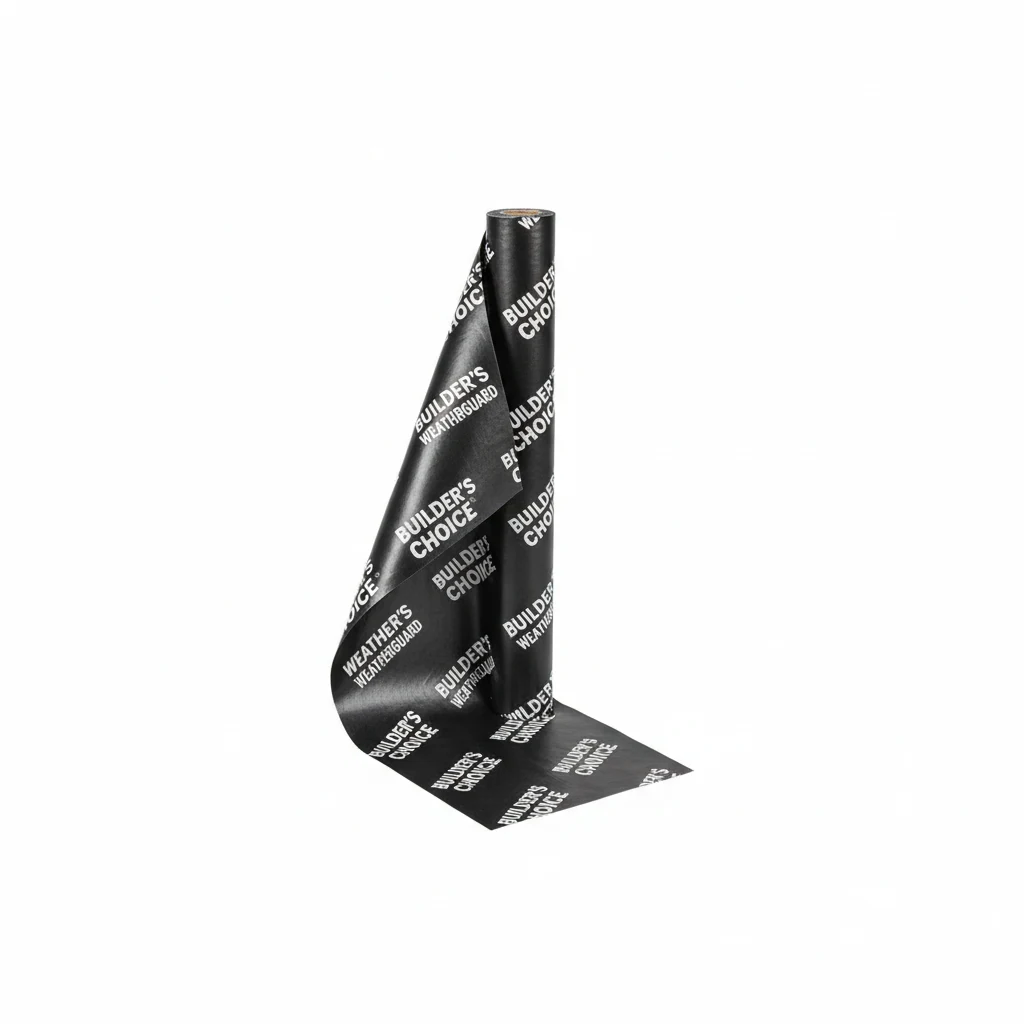
SIGA Majvest 200 Breather Membrane (1.5 x 50m)
High-performance vapour-open external wall membrane — keeps wind and water out while letting moisture escape. The pro choice for an airtight, breathable tiny build.
View on Amazon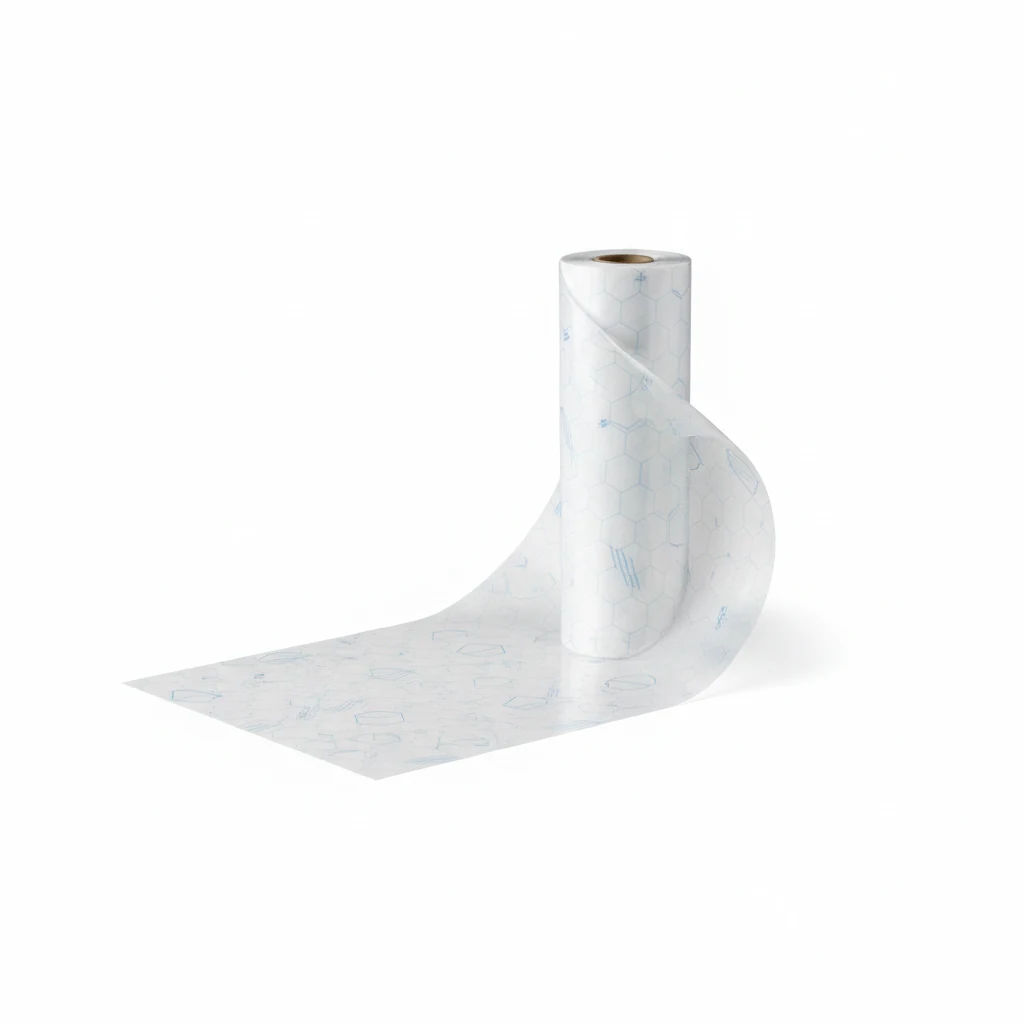
Pro Clima Intello Plus Intelligent Vapour Membrane (50m roll)
Humidity-variable airtight membrane that lets walls dry inwards in summer — critical for moisture control in highly insulated tiny builds.
View on Amazon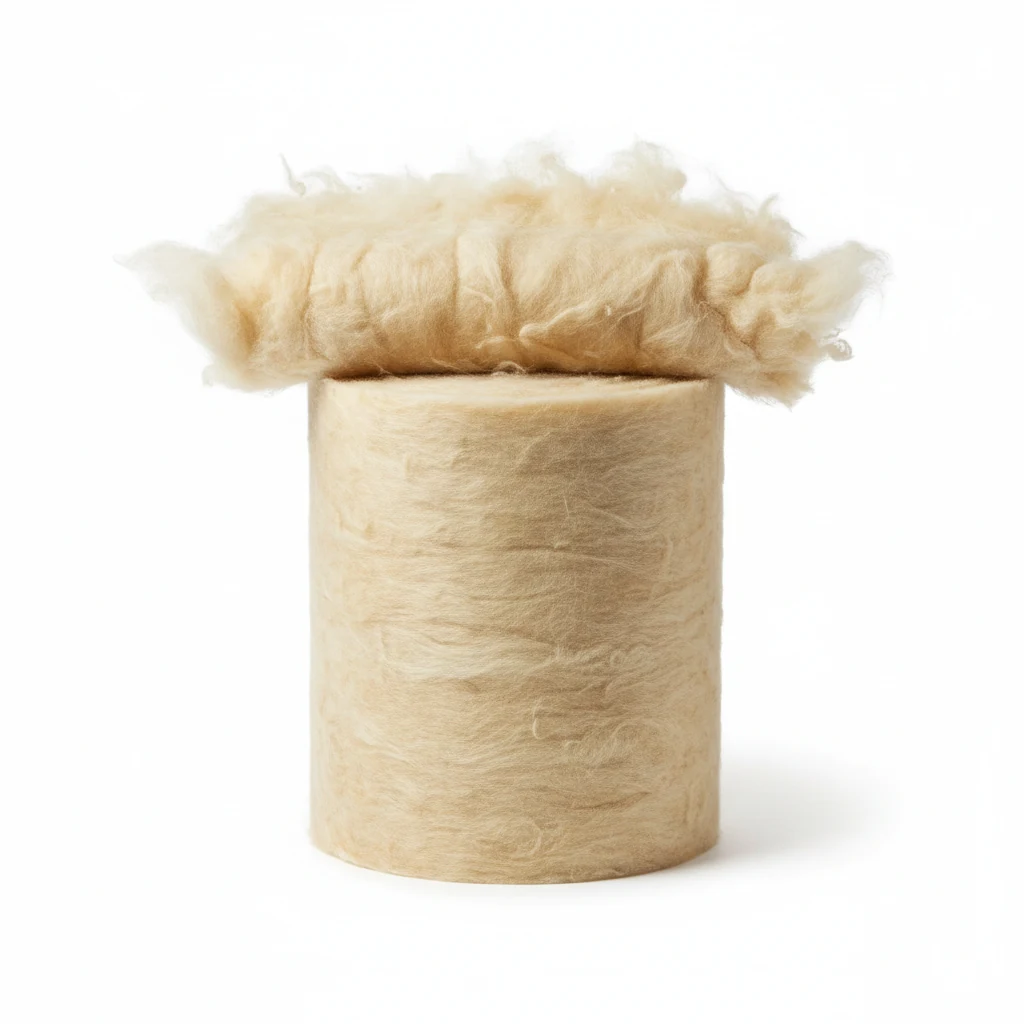
Thermafleece CosyWool British Sheep Wool Insulation 100mm
Natural British sheep wool insulation — breathable, hygroscopic, and brilliant for moisture-managing tiny house walls. Safe to handle without PPE.
View on Amazon