Off-Grid Systems
Solar panels, rainwater harvesting, composting toilets, and wood burners — your complete guide to off-grid tiny house living in the UK.
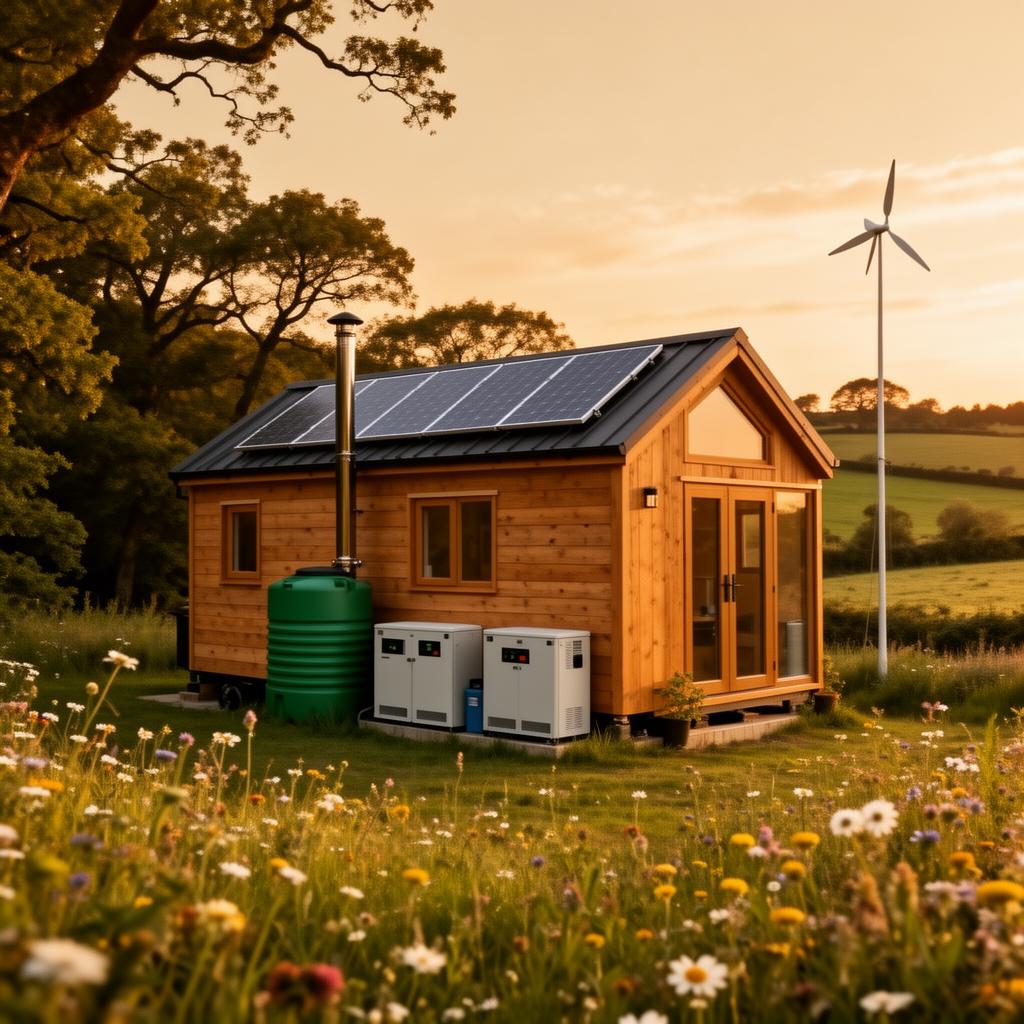
Solar Panel Sizing Guide
The UK gets an average of 900–1,100 kWh/m²/year of solar irradiance. That's enough to power a tiny house — if you size your system correctly.
UK Solar Reality Check
A south-facing 400W panel in southern England produces roughly 350 kWh/year — but output varies hugely by season. Expect 4–5× more generation in June vs December. This means you'll likely need either a grid backup connection or a generator for winter months unless you significantly oversize your system.
Minimal
£1,500–£3,000
Suitable for
LED lighting, phone/laptop charging, small fridge, water pump
Comfortable
£3,000–£6,000
Suitable for
All above plus induction hob, washing machine, power tools, TV
Full Independence
£6,000–£12,000
Suitable for
Complete off-grid living including electric heating boost, hot water immersion, workshop tools
Rainwater Harvesting
The UK averages 1,100mm of rainfall per year — plenty to supply a water-efficient tiny house if you capture it properly.
How Much Water Can You Collect?
A 20m² tiny house roof in an area with 800mm annual rainfall will capture roughly:
Annual collection (at 80% efficiency)
~12,800 litres
That's roughly 35 litres/day — enough for one person using water efficiently
Formula: Roof area (m²) × annual rainfall (mm) × 0.8 (runoff coefficient) = litres/year. A water-conscious person uses 50–80 litres/day; a conventional household uses 140+ litres/day.
Rainwater System Components
Guttering & Downpipes
Standard half-round or square-line guttering. Use a first-flush diverter to discard the first 2mm of rainfall (washes roof debris).
Storage Tank
1,000–2,000 litre IBC tank or purpose-built rainwater tank. Keep opaque and covered to prevent algae. Underground tanks save space.
Filtration
Stage 1: Leaf filter on downpipe. Stage 2: 5-micron sediment filter. Stage 3: Activated carbon filter. Stage 4: UV steriliser (essential if drinking).
Pump & Pressure
12V or 240V pressure pump (e.g. SHURflo or Jabsco). Set to 2–3 bar for comfortable shower pressure. Add a small pressure vessel to reduce pump cycling.
Grey Water Management
Grey water (from sinks, shower, and washing machine — NOT toilets) can be:
- Reed bed system: A small constructed wetland (2–4m²) filters grey water naturally. Low maintenance, visually attractive, and legal without a consent to discharge in most areas.
- Soakaway: A gravel-filled pit (minimum 5m from any building) that allows filtered grey water to percolate into the ground. Use only eco-friendly soaps.
- Legal note: In England, you may need a Consent to Discharge from the Environment Agency for grey water disposal. Consult your local EA office.
Composting Toilets
Eliminate the need for a sewage connection entirely. Modern composting toilets are clean, odour-free, and surprisingly easy to live with.
Separett Villa 9020
Power: 12V fan (low draw)
Pros
- ✓ No water needed
- ✓ Almost odour-free with fan
- ✓ Easy to install — just a vent pipe through the wall
- ✓ Urine diverted to soakaway or container
Cons
- ✗ Solids container needs emptying every 3–6 weeks (2 people)
- ✗ Requires 12V or mains power for fan
Nature's Head
Power: 12V fan
Pros
- ✓ Self-contained composting unit
- ✓ Crank handle mixes compost — no manual handling
- ✓ Very popular in the THOW community
- ✓ Compact footprint
Cons
- ✗ Peat moss / coconut coir medium needs topping up
- ✗ Composting chamber smaller than Separett — empties more often for couples
DIY Bucket System
Power: None
Pros
- ✓ Extremely cheap
- ✓ No plumbing or power needed
- ✓ Simple to build and maintain
- ✓ Fully off-grid
Cons
- ✗ Requires external composting bin (12–18 month cycle)
- ✗ More hands-on than commercial units
- ✗ Needs sawdust/wood shavings after each use
- ✗ Social stigma — some people find it off-putting
Heating Your Tiny House
A well-insulated tiny house needs very little heat — but getting it right is essential for UK winters.
Wood Burner (Multi-Fuel Stove)
The most popular heating option for off-grid tiny houses. A small wood burner (3–4 kW) will overheat most tiny houses — go for the smallest rated output you can find.
- Hobbit stove (4 kW) and Salamander Hobbit (5 kW) are the most popular tiny house wood burners in the UK
- DEFRA-approved stoves can be used in Smoke Control Areas
- Flue must extend at least 450mm above the ridge line and be twin-wall insulated
- Maintain 200mm clearance to combustible walls (or use a heat shield to reduce to 100mm)
- Install a CO alarm within 1–3m of the stove — it's a legal requirement in rented accommodation
All flue installations must comply with Document J of the Building Regulations. Consider using a HETAS-registered installer.
Air Source Heat Pump (Mini-Split)
An electric mini-split heat pump provides efficient heating and cooling from a single unit. Ideal if you have a solar/battery system or mains connection.
- COP of 3–4 means for every 1 kW of electricity input you get 3–4 kW of heat output
- Works efficiently down to -15°C (most UK locations never get that cold)
- Provides cooling in summer — increasingly valuable with UK heatwaves
- No combustion products, no CO risk, no flue needed
- Brands: Mitsubishi, Daikin, Samsung — look for models rated for low-ambient operation
Electric Panel Heaters / Infrared
Simple, cheap, and effective for well-insulated tiny houses. Infrared panels heat objects (not air) so they feel warmer at lower air temperatures.
- Far-infrared panels (e.g. Herschel) can be ceiling-mounted, saving wall space
- No installation cost — just plug in or wire into a fused spur
- Best combined with a solar/battery system to offset running costs
- Running cost: approximately 34p/kWh at current UK electricity rates (2024)
- Consider a programmable thermostat to manage usage
Off-Grid Readiness
Use this checklist to plan your off-grid systems before you start building.
Important Safety Notice
Electrical, gas, and flue installations must be carried out or certified by qualified professionals (NICEIC/NAPIT for electrics, Gas Safe for gas, HETAS for solid fuel). Costs quoted are approximate UK prices as of 2024. Always check current regulations and consult a professional before installing off-grid systems.
Recommended Solar Kits
Solar panels, batteries, inverters, and off-grid essentials.
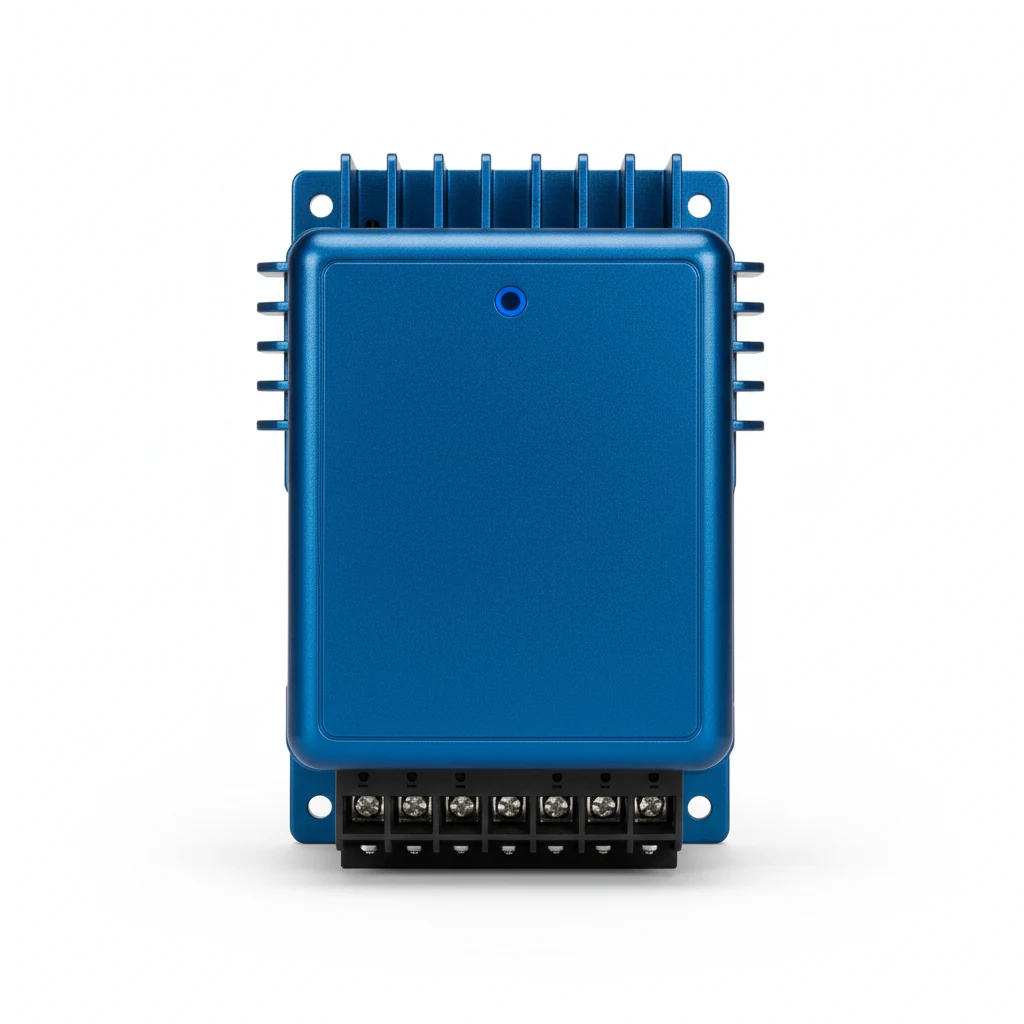
Victron SmartSolar MPPT 100/30 Charge Controller
Bluetooth-enabled MPPT controller that squeezes maximum yield from your panels and lets you monitor everything from your phone.
View on Amazon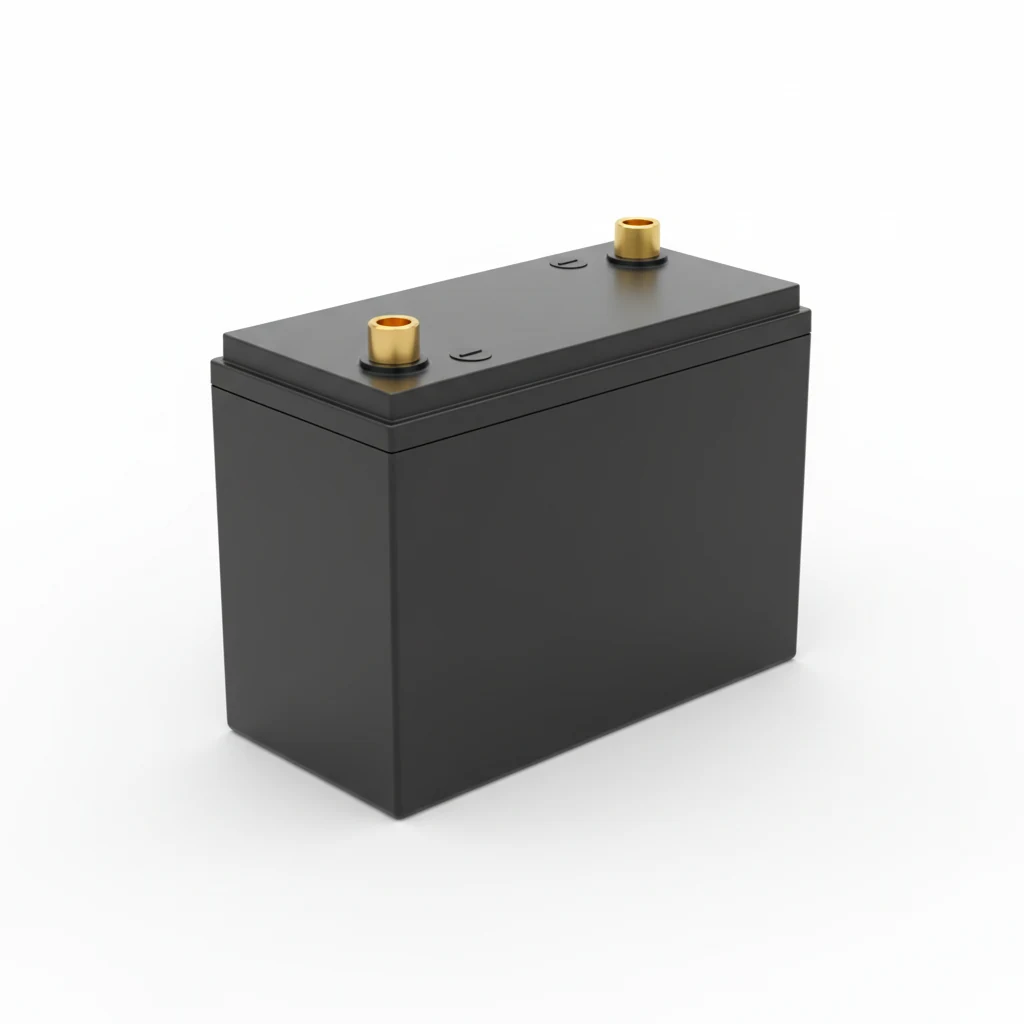
Renogy 100Ah 12V LiFePO4 Lithium Battery
Drop-in lithium replacement for lead-acid — 4000+ cycles, 95% usable capacity, perfect for a tiny house off-grid bank.
View on Amazon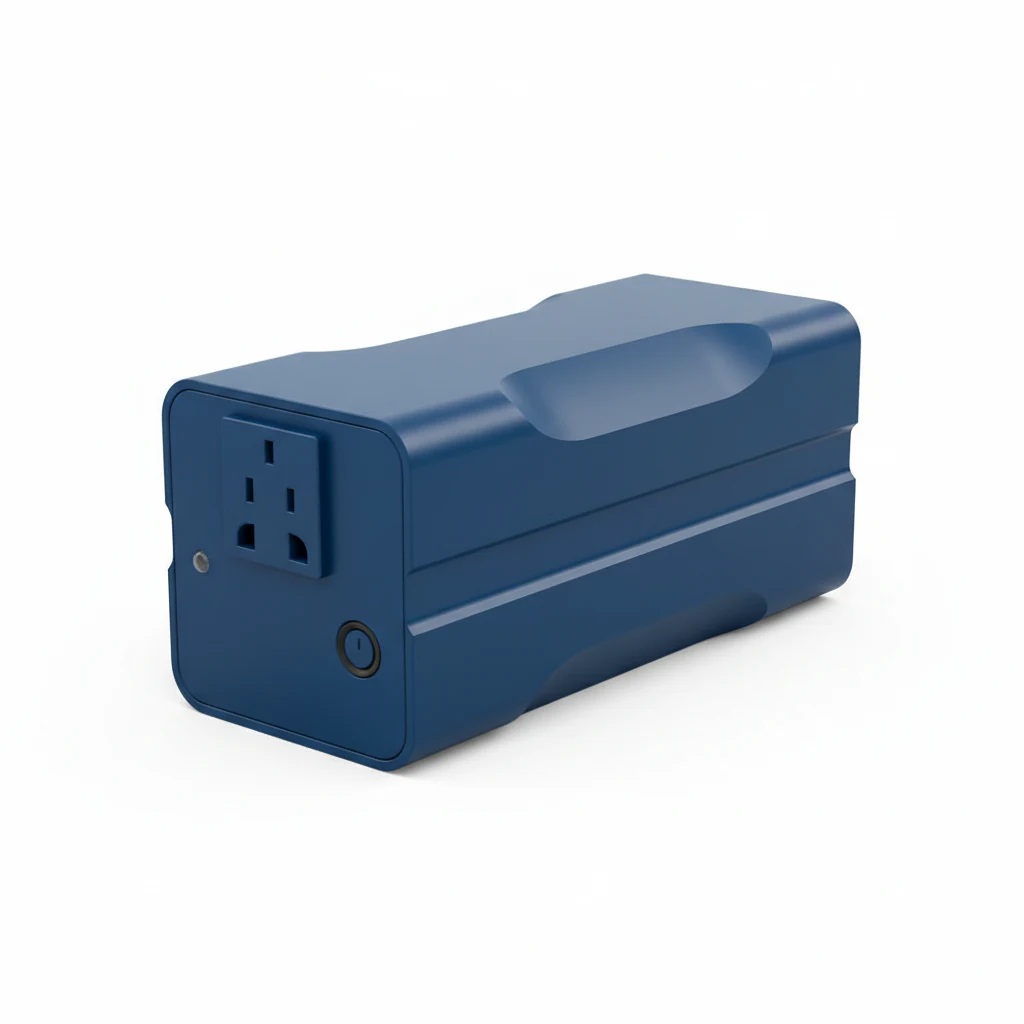
Victron Phoenix 12V 1200VA Pure Sine Wave Inverter
Clean pure-sine 230V from your battery bank — runs sensitive electronics, induction kettles and power tools without complaint.
View on Amazon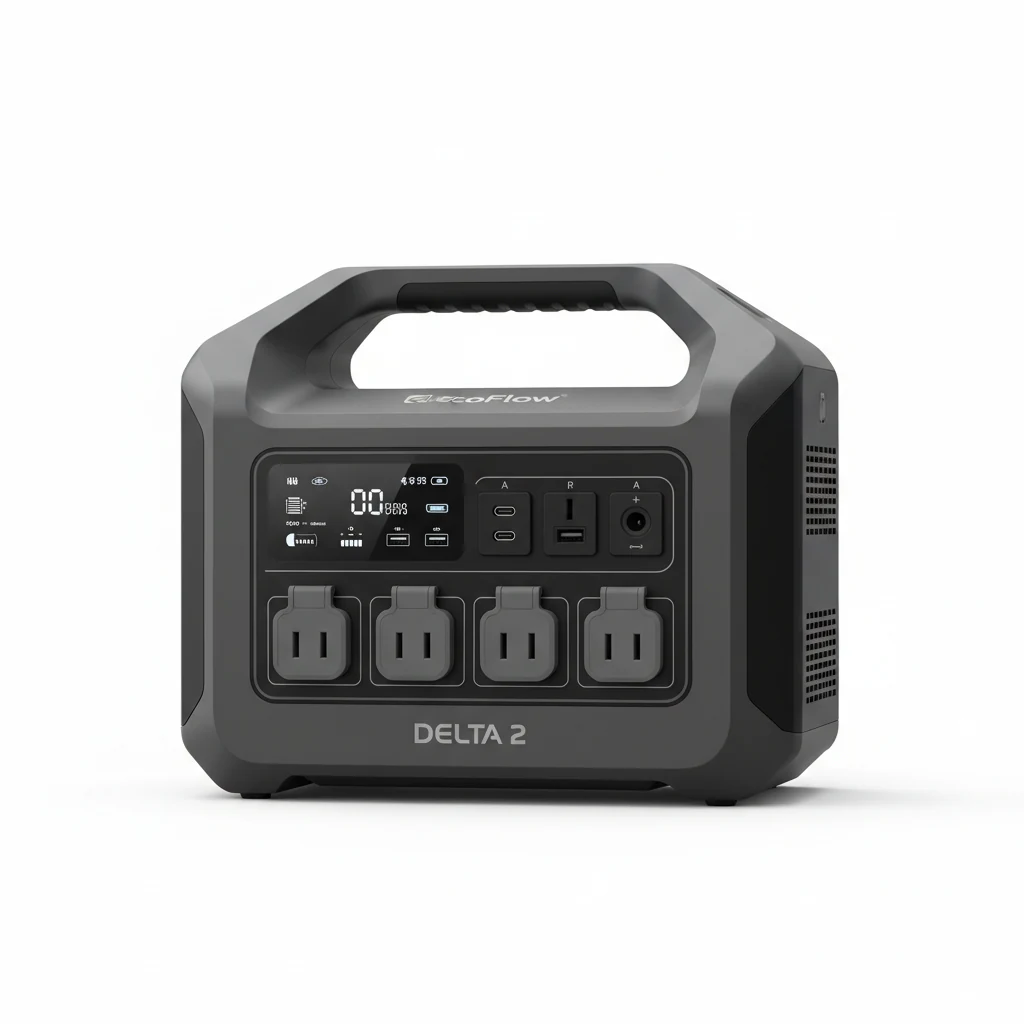 Featured
EcoFlow DELTA 2 Portable Power Station 1024Wh
Plug-and-play 1kWh LiFePO4 battery with built-in inverter and solar input — a brilliant starting point before committing to a full off-grid build.
View on Amazon