Cost Calculator & Budgeting
Estimate your tiny house build cost by size, specification level, and off-grid add-ons. Adjust the sliders to see a detailed breakdown.
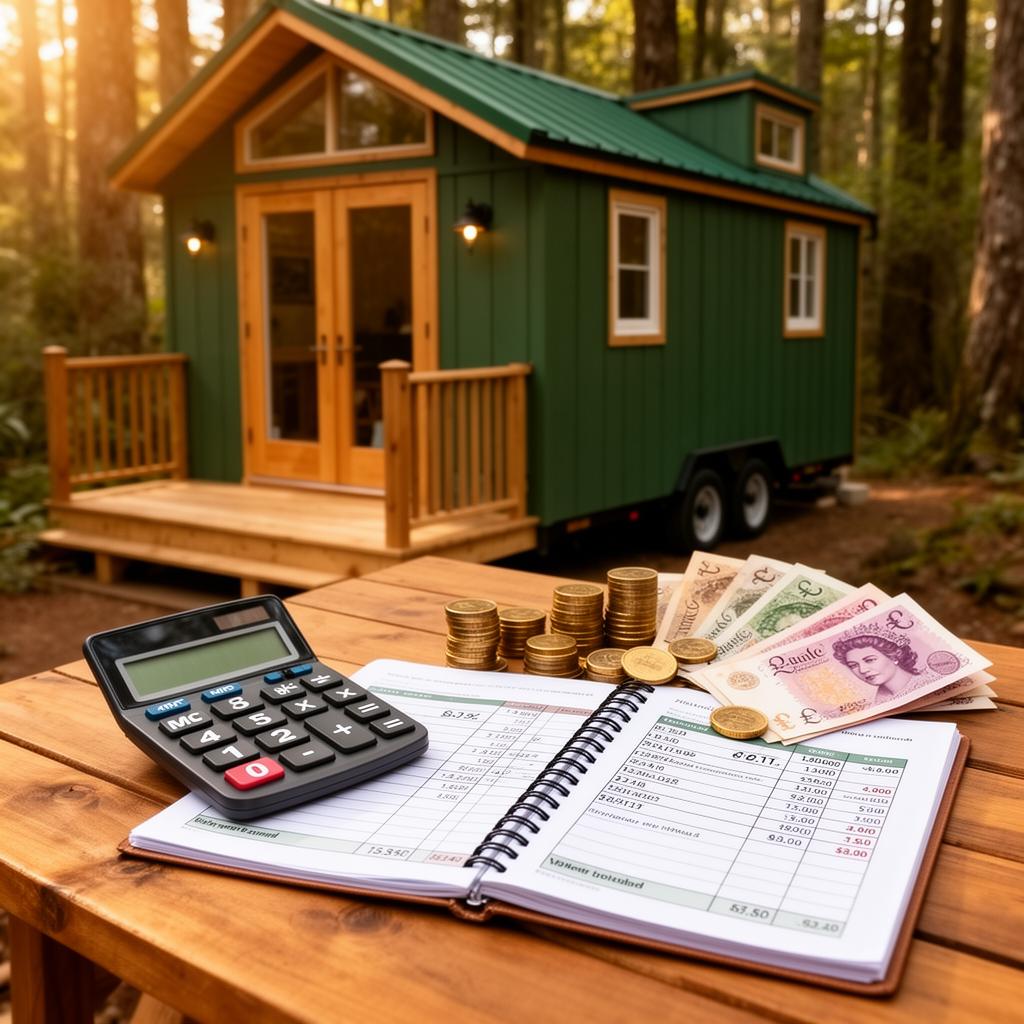
Estimate Your Build Cost
Adjust the controls below — the breakdown updates instantly.
6m trailer ≈ 15m² · 7m ≈ 18m² · 8m ≈ 20m² · 10m wide ≈ 35m²
Estimated Total (inc. 15% contingency)
£19,644
18 m² · Mid-Range Build
Structure
£4,968Envelope
£4,851Services
£2,421Interior
£4,842These are estimates based on UK 2024 material and labour costs. Actual costs vary significantly by region, supplier, and individual specification choices. Always add 15–20% contingency to your budget.
Three Ways to Build Tiny
Whether you're on a shoestring or want luxury, here's what to expect at each budget level.
Starter
£12,000–£20,000
A fully DIY build using budget materials, reclaimed timber where possible, and a focus on function over aesthetics. You'll do everything yourself — framing, electrics (to be signed off by a qualified electrician), plumbing, and interior fit-out.
What's included:
- Second-hand or basic steel trailer
- Mineral wool insulation
- Corrugated metal roofing & cladding
- Basic galley kitchen (IKEA or reclaimed)
- Composting toilet + simple shower
- Basic electrical setup (LED lighting, sockets)
Not included:
- — Solar/battery system
- — Wood burner
- — High-end windows
- — Professional trades
Comfortable
£25,000–£40,000
A well-built home with quality materials and a mix of DIY and professional help for electrics and plumbing. This is the sweet spot for most self-builders — you get a comfortable, beautiful home without breaking the bank.
What's included:
- Purpose-built galvanised trailer
- PIR or sheep's wool insulation
- Timber cladding (larch) + metal roof
- Custom or IKEA kitchen with solid worktop
- Full bathroom with walk-in shower
- Certified electrics with consumer unit
- Basic solar setup (1–2kW)
Not included:
- — Full off-grid system
- — Premium windows (triple-glazed)
- — Bespoke furniture throughout
Premium
£45,000–£75,000+
A high-specification build with premium materials, professional trades for all services, and bespoke interior design. This is a tiny house that rivals a luxury hotel room — every detail considered, every material chosen for quality and longevity.
What's included:
- Heavy-duty twin-axle trailer or screw-pile foundation
- Wood fibre + sheep's wool insulation (fully breathable)
- Cedar or shou sugi ban cladding
- Triple-glazed windows throughout
- Bespoke birch plywood kitchen with stone worktop
- Full off-grid system (4kW solar, 10kWh battery)
- Mini-split heat pump + wood burner
- Underfloor heating
Cost-Saving Tips
Real advice to bring your budget down without compromising quality where it matters.
DIY everything you safely can
Framing, insulation, cladding, and interior fit-out are all learnable skills. Save professional trades for electrics (Part P) and gas (Gas Safe). DIY can save 40–60% of labour costs.
Source reclaimed materials
Reclaimed timber, salvaged windows, and second-hand kitchen units can save thousands. Check Facebook Marketplace, Gumtree, and local salvage yards regularly.
Buy timber from sawmills
A local sawmill will sell rough-sawn larch cladding at 30–50% less than a builders' merchant. You'll need to plane and treat it yourself, but the savings are huge.
Phase your off-grid systems
Start with mains hookup and add solar/battery/rainwater over time as budget allows. This spreads the cost and lets you learn what you actually need.
Choose a shed roof
A single-pitch (shed) roof uses less timber, is faster to build, and simpler to waterproof than a gable. You still get a usable loft space.
Don't over-spec early
A £500 composting toilet works as well as a £1,100 one. Budget fixtures can always be upgraded later — the structure and insulation are what matter most.
How to Finance Your Build
Tiny houses don't fit neatly into traditional mortgage products — here are the realistic options.
Personal Savings
The most common route. Many self-builders save for 1–2 years while planning, then build in stages as funds allow. No interest, no debt, full ownership.
Personal Loan
High-street banks offer unsecured personal loans up to £25,000–£50,000 at 3–7% APR (2024 rates). No collateral needed, but monthly repayments start immediately.
Self-Build Mortgage
Available for permanent tiny houses on land you own (with planning permission). Funds are released in stages as the build progresses. Requires professional valuations at each stage.
Credit Union Loan
Credit unions often offer favourable rates for self-build projects. Check your local credit union — some have specific 'eco-build' or 'sustainable living' products.
Cost Disclaimer
All costs are approximate estimates based on UK 2024 material and labour prices. Actual costs will vary significantly depending on your location, suppliers, specification choices, and whether you DIY or hire trades. Currency conversions are approximate. This calculator is for planning purposes only — always get detailed quotes from suppliers before committing to a budget.